
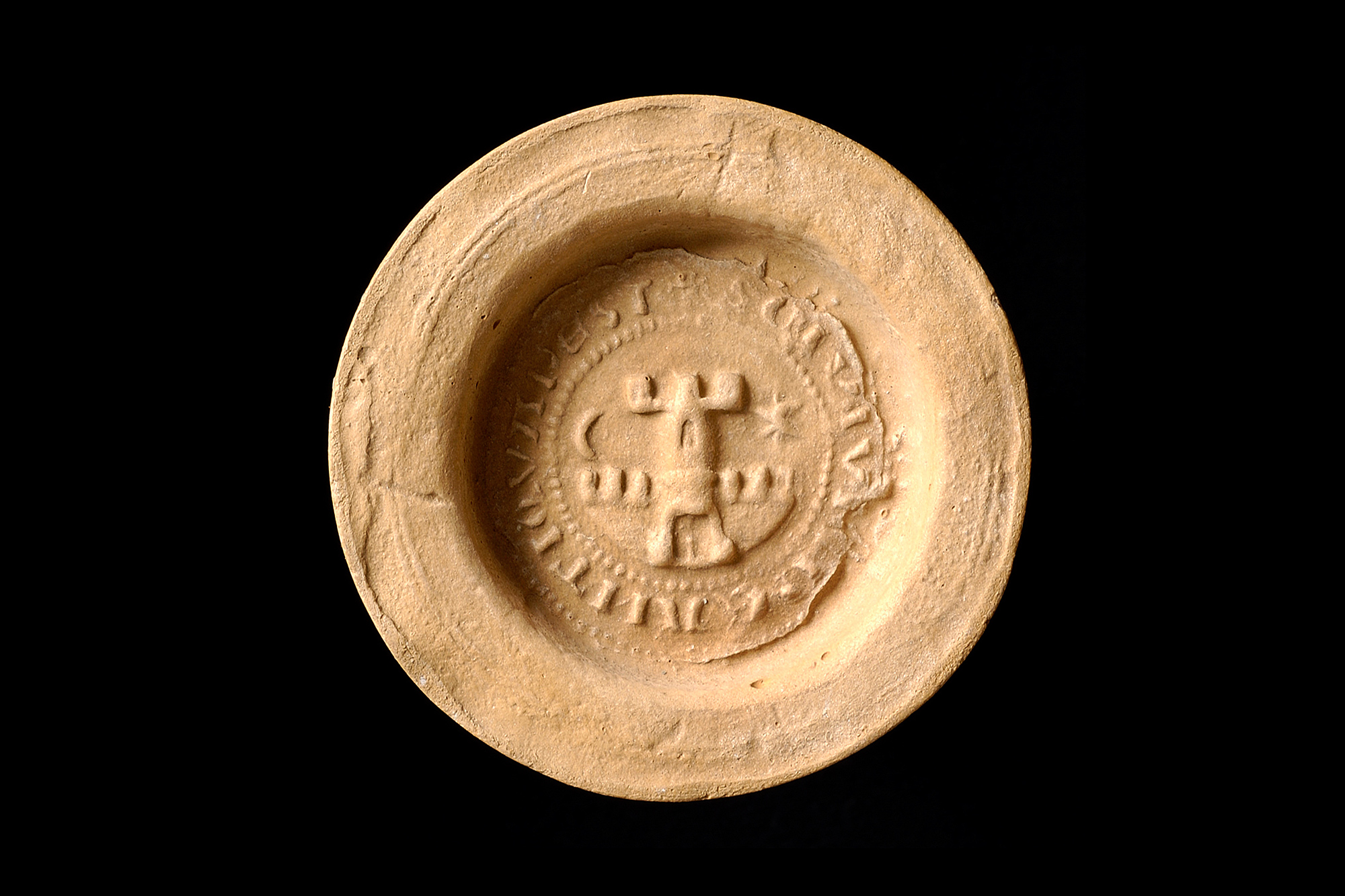
The Budapest History Museum’s Collection of Diplomatic Charters, Charter Photographs and Seal Copies preserves a plaster cast of the oldest known impression of the great seal of the city of Pest.
The circular seal of Pest follows a simplified version of Buda’s seal, differing from it in that the city wall is depicted with a single tower instead of three. At the centre stands a tall gate tower with an open gate and a round-arched window beneath it, topped by a projecting parapet. On either side of the tower, three battlements rise above the city walls. The depiction of the wall refers to Pest’s status as a free royal town. Within the seal’s field, there is a silver crescent moon on the heraldic right and a six-pointed golden star on the heraldic left. The inscription is bordered by a beaded circle and reads: “+ S(IGILLVM) • CIVIVM • DE • ANTIQVA • PEST”, meaning “Seal of the Citizens of Old Pest”.
Although the depiction of the city wall and gate might tempt us to associate it with an actual structure, such heraldic representations employed stylised motifs at the time. Unfortunately, therefore, the image cannot be linked to any specific building in medieval Pest. What is certain is that the city’s fortifications were already mentioned in 1241 by Thomas the Archdeacon of Split, who recorded the Mongol invasion of Hungary. The walls were so resilient that they withstood artillery fire during several sieges between 1526 and 1542.
The seal matrix (typarium) used to produce the surviving impression from 1481 remained in use for a considerable period. A fragmentary impression dating from 1470 may also have been made with the same matrix, which was still being used in 1512. Although this was certainly not Pest’s first seal – as mentioned above, Buda’s seal of 1292 probably preserves the heraldic design of the seal of “Old Pest” – the late 15th-century example is the earliest to have survived.
The city wall with its single tower continued to serve as Pest’s coat of arms and can still be seen as the symbol of Pest in the coat of arms of Budapest, created in 1873 and still in use today.
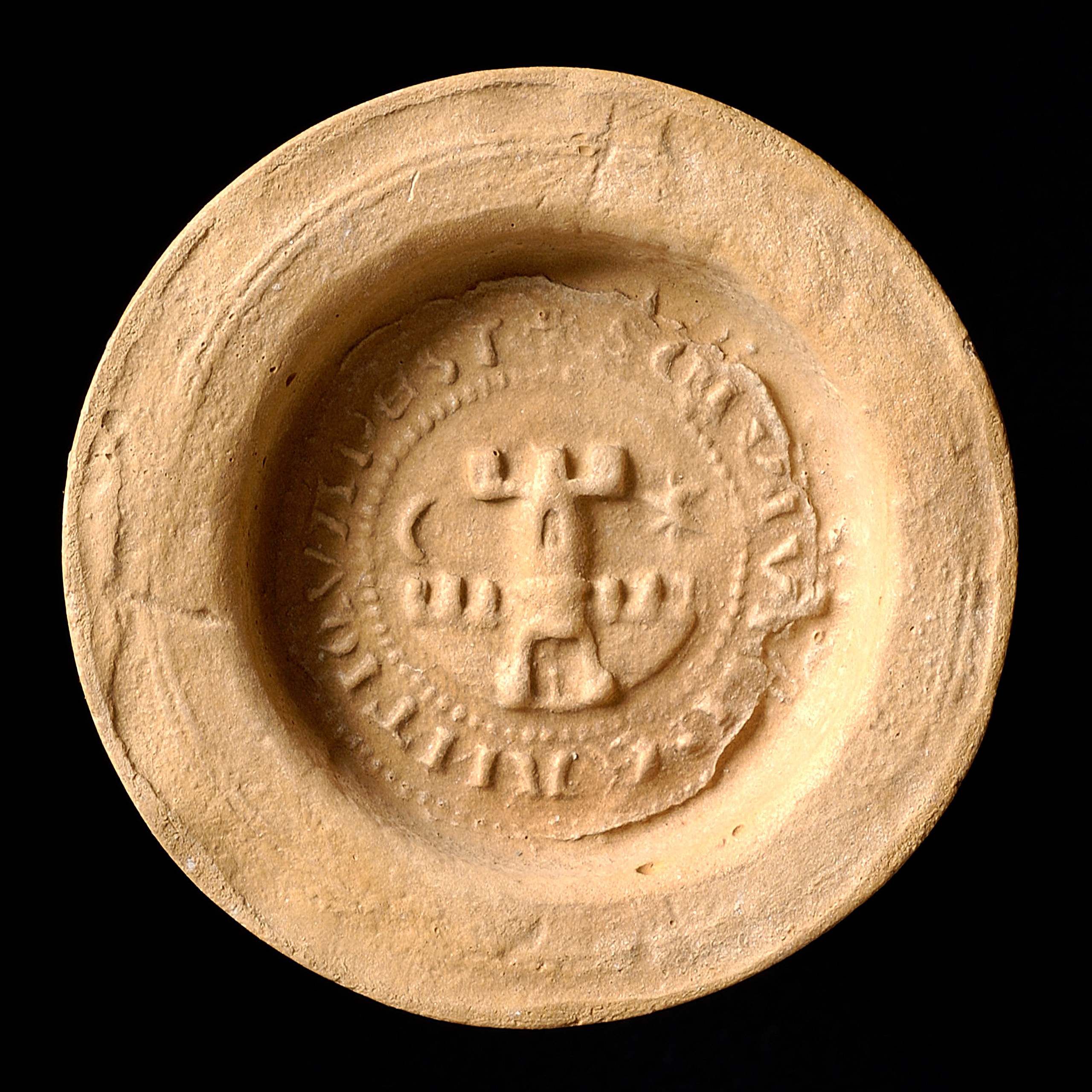
Copy of the seal of the city of Pest (1481). Budapest History Museum, Collection of Diplomatic Charters, Charter Photographs and Seal Copies, inv. no. 64.692.
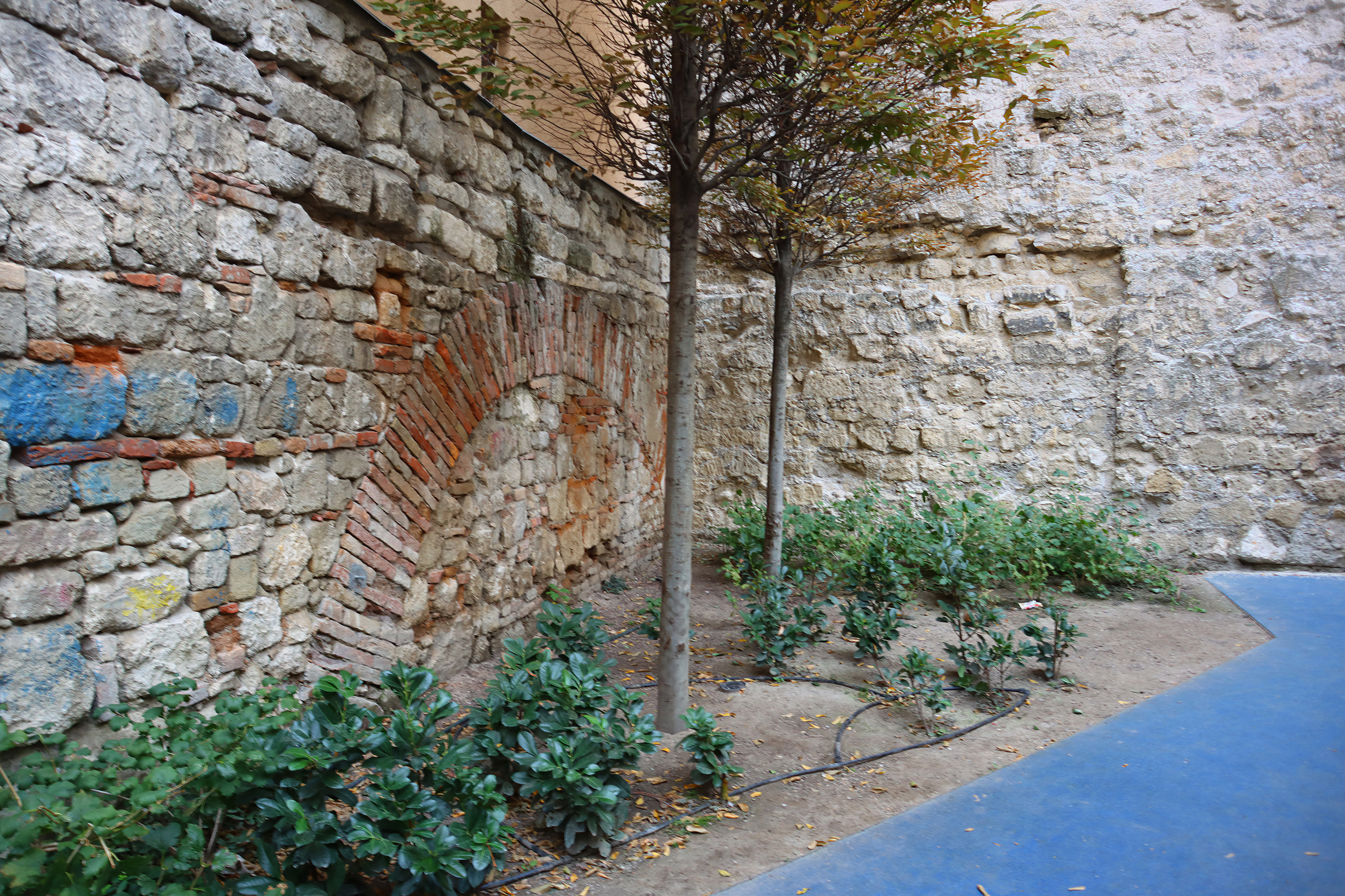
Remains of Pest’s 15th-century city wall
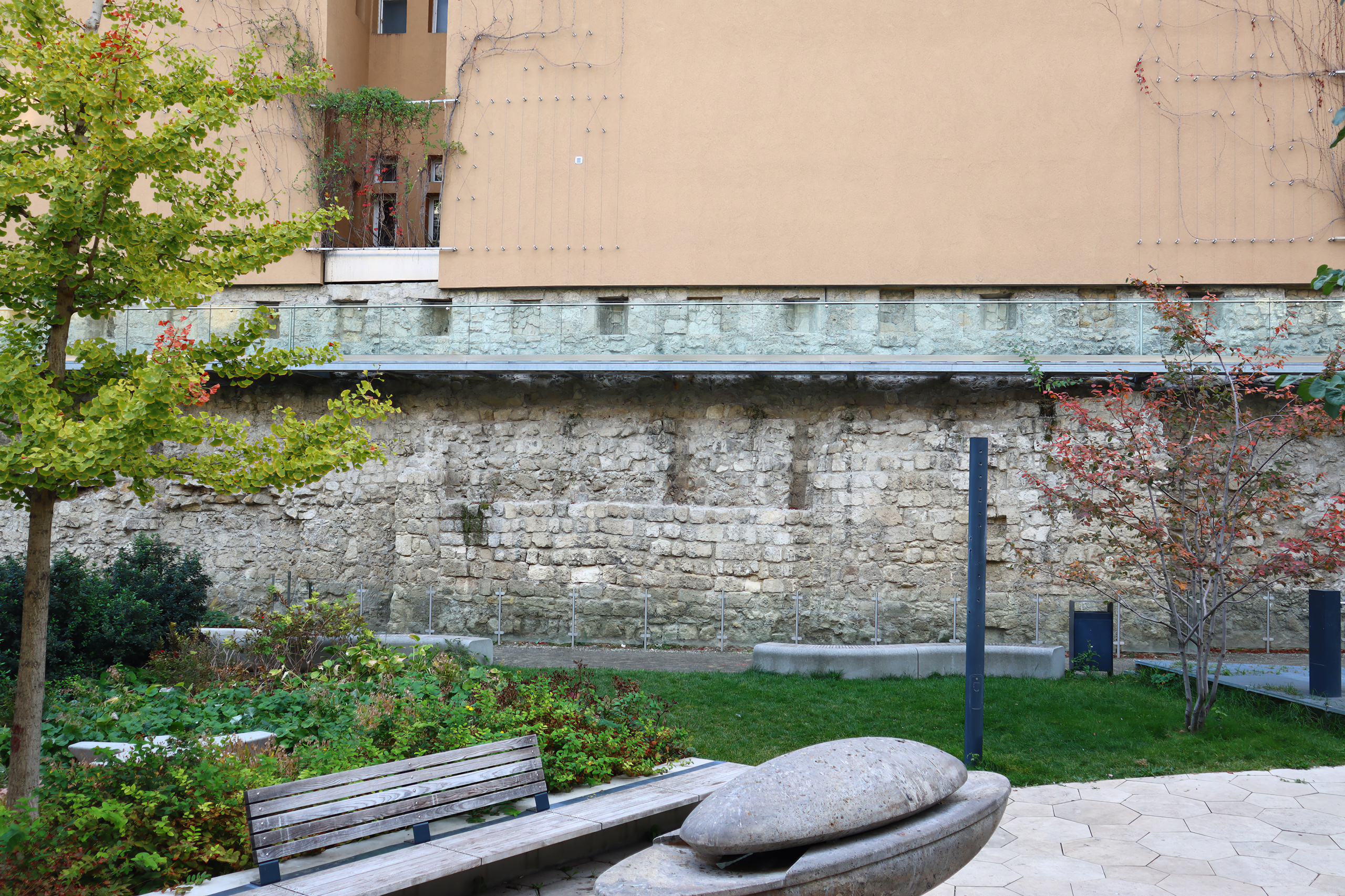
Remains of Pest’s 15th-century city wall
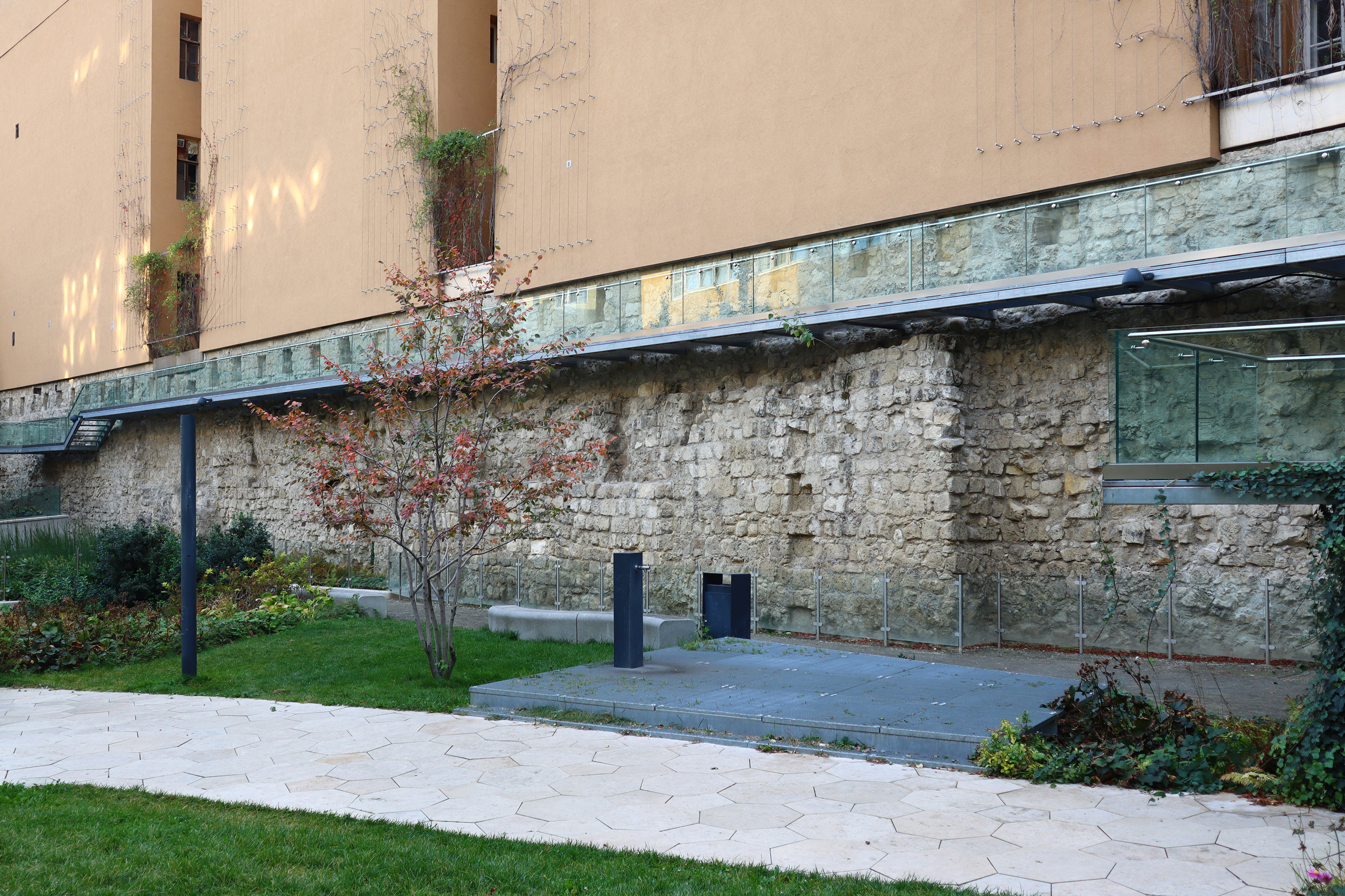
Remains of Pest’s 15th-century city wall

Coat of arms of Pest on a Renaissance tabernacle in the Inner City Parish Church, Budapest (1507) (source: https://hu.wikibooks.org/wiki/Fájl:Armoiries_Pest.jpg)
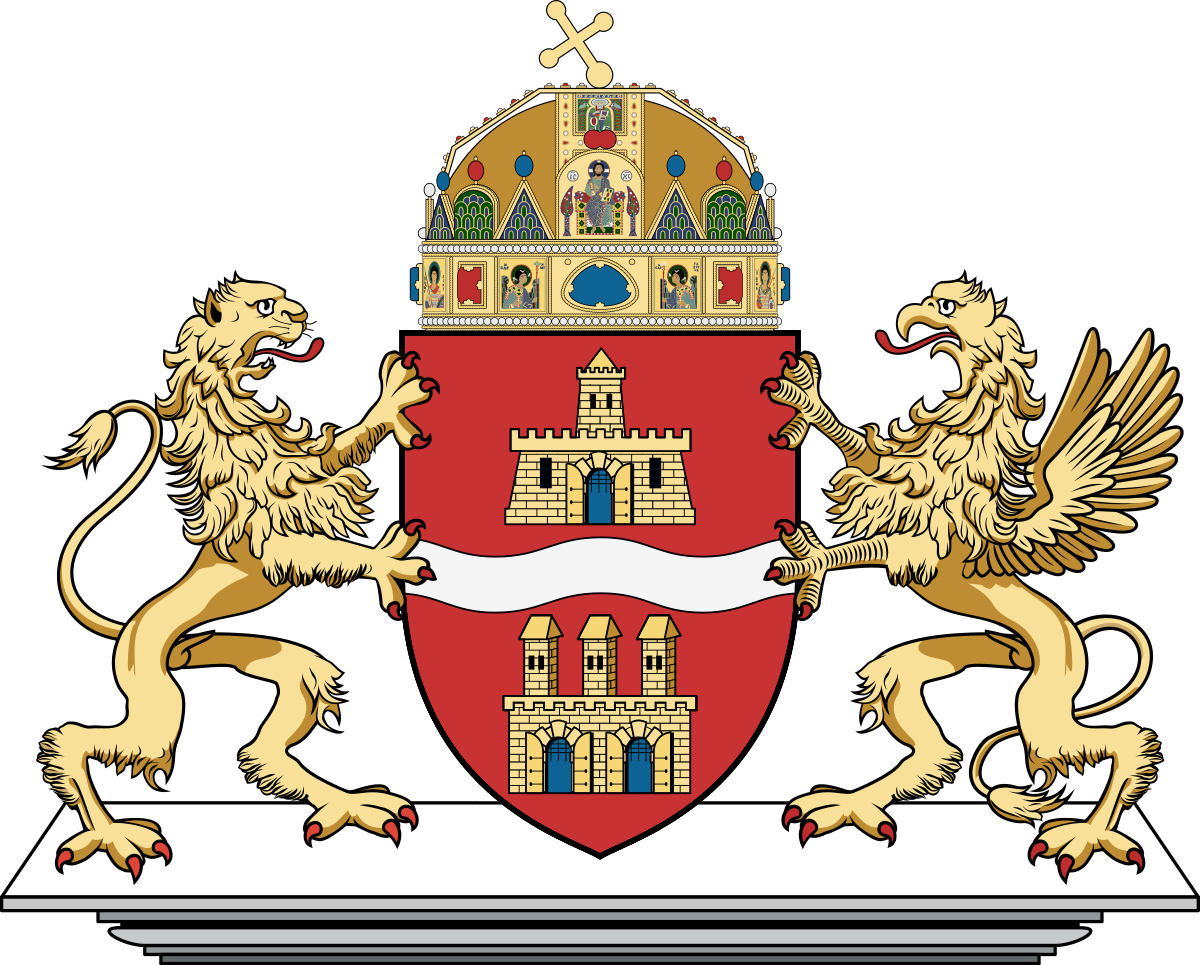
Present-day coat of arms of Budapest (source: https://hu.wikipedia.org/wiki/Budapest_címere)
Text: Borbála Kelényi
Artifact photo: Bence Tihanyi
Photo: Dorottya Mézes
1 Month – 1 Artifact | 2026
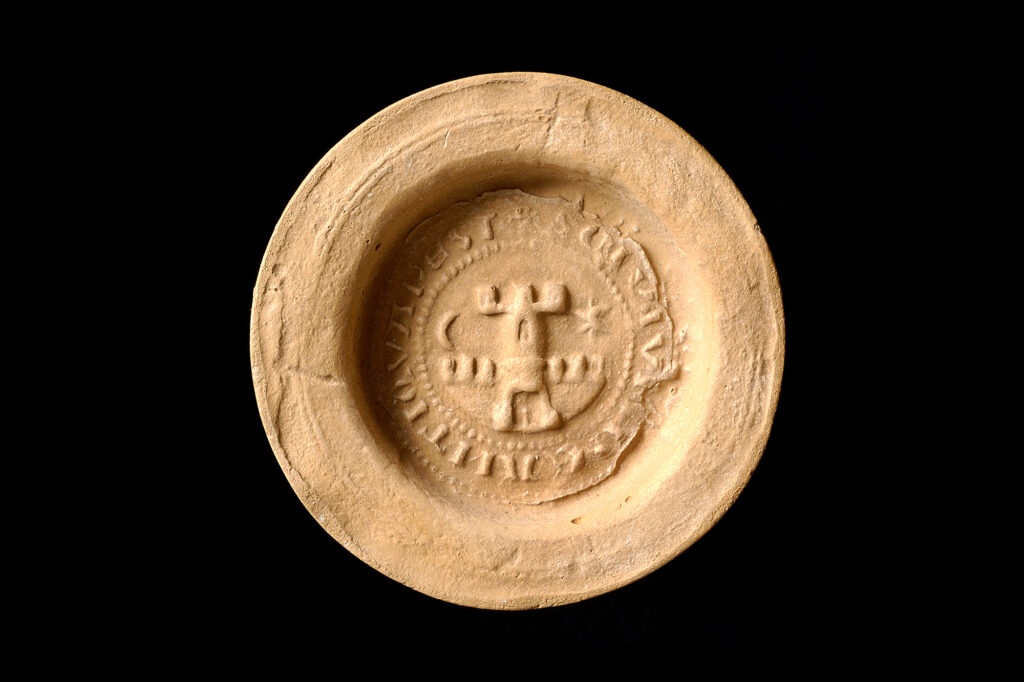
The Great Seal of the City of Pest (1481)
A 20th-century Chinese coin from the slopes of Castle Hill
A Medieval Falcon Find from Buda Castle
Herbs, kitchen garden plants, and vegetables from from well No. 8 of Teleki Palace
Feeding vessels

The Mystery of a Footed Bowl

Medieval Cresset Stone
