
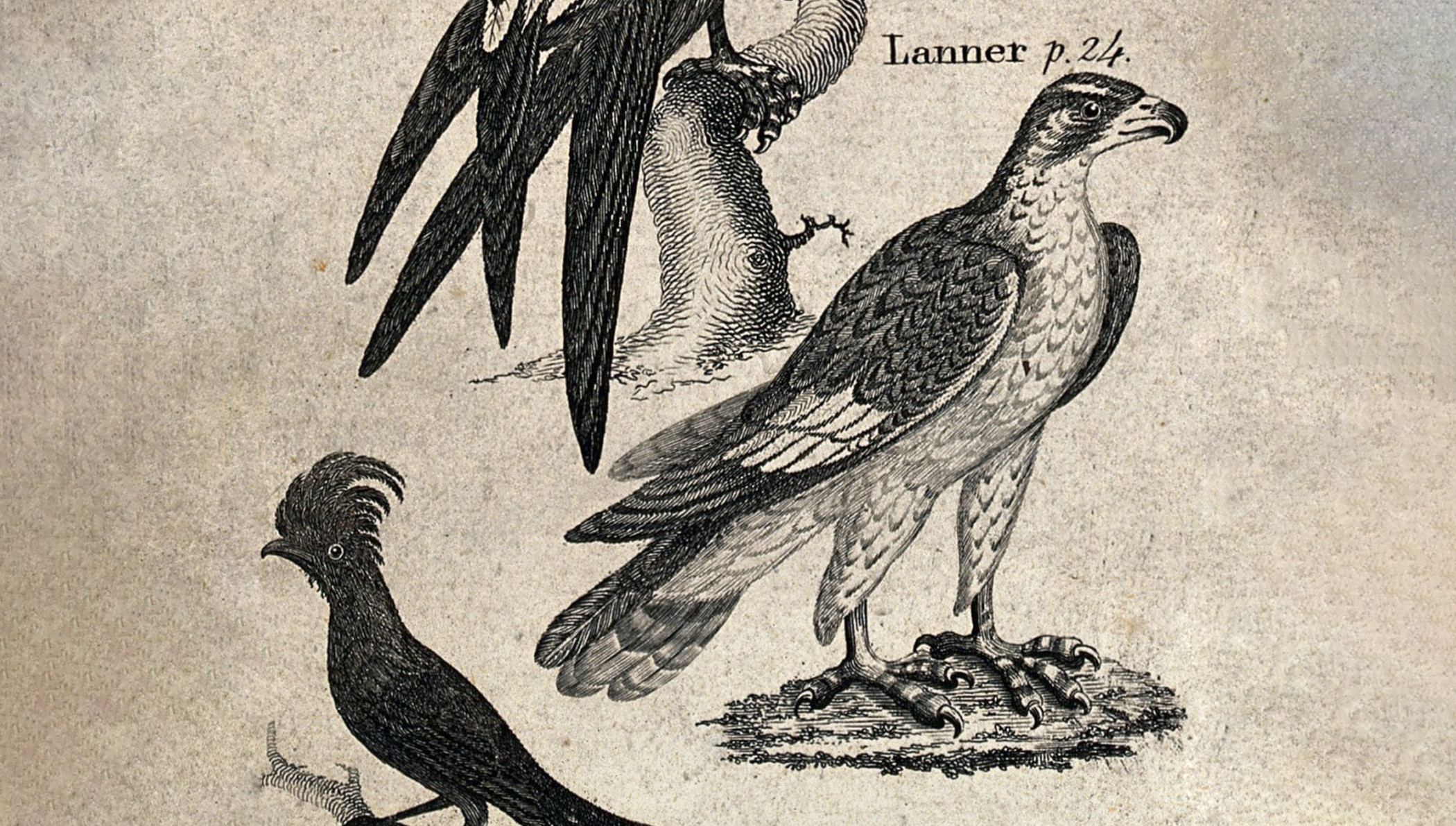
As elsewhere in Europe at the time, falconry was a widespread form of hunting in the medieval Kingdom of Hungary. Its popularity is known from both written sources and visual representations, yet unequivocal archaeological evidence of the practice is extremely rare. Most falconry equipment—such as jesses, hoods for the birds, and the falconer’s glove—was made of organic materials and could therefore have survived only under special conditions; no such finds are known from the medieval period. Metal equipment has a better chance of surviving, but it is difficult to prove that such objects were associated with falconry. Bells, for example, were used in falconry, but could also have served as dress accessories, horse-harness ornaments, and so on.
In addition to objects associated with falconry, the presence of bird bones may also indicate the practice. However, the remains of trained birds of prey are exceptional even among the already rare finds of wild birds. Moreover, the more commonly encountered examples belong to relatively “ordinary” species that are permanent residents of the Carpathian Basin, such as the northern goshawk (Accipiter gentilis L. 1758) or the Eurasian sparrowhawk (Accipiter nisus L. 1758). In these cases, it can only be inferred from the archaeological context that the birds may once have been used for falconry.
Occasionally, however, exceptional remains are discovered of highly valuable birds that were not native to the region and were most likely used for falconry. One such example is the 14th-century Lanner falcon (Falco biarmicus T. 1834) presented here, which was recovered from Well nr. 8 during excavations between 1998 and 2000 in the area of the Teleki Palace in Buda Castle. Measuring 35–50 cm in length and weighing 500–900 g depending on sex, these birds prey mainly on smaller birds, such as larks, pigeons, and kestrels, as well as mammals, reptiles, and insects. Erika Gál, who identified the remains, wrote of the find: “This rare bird undoubtedly reached Buda Castle as an imported commodity or an aristocratic gift, and it cannot be ruled out that its owner was a subject belonging to royal circles.”
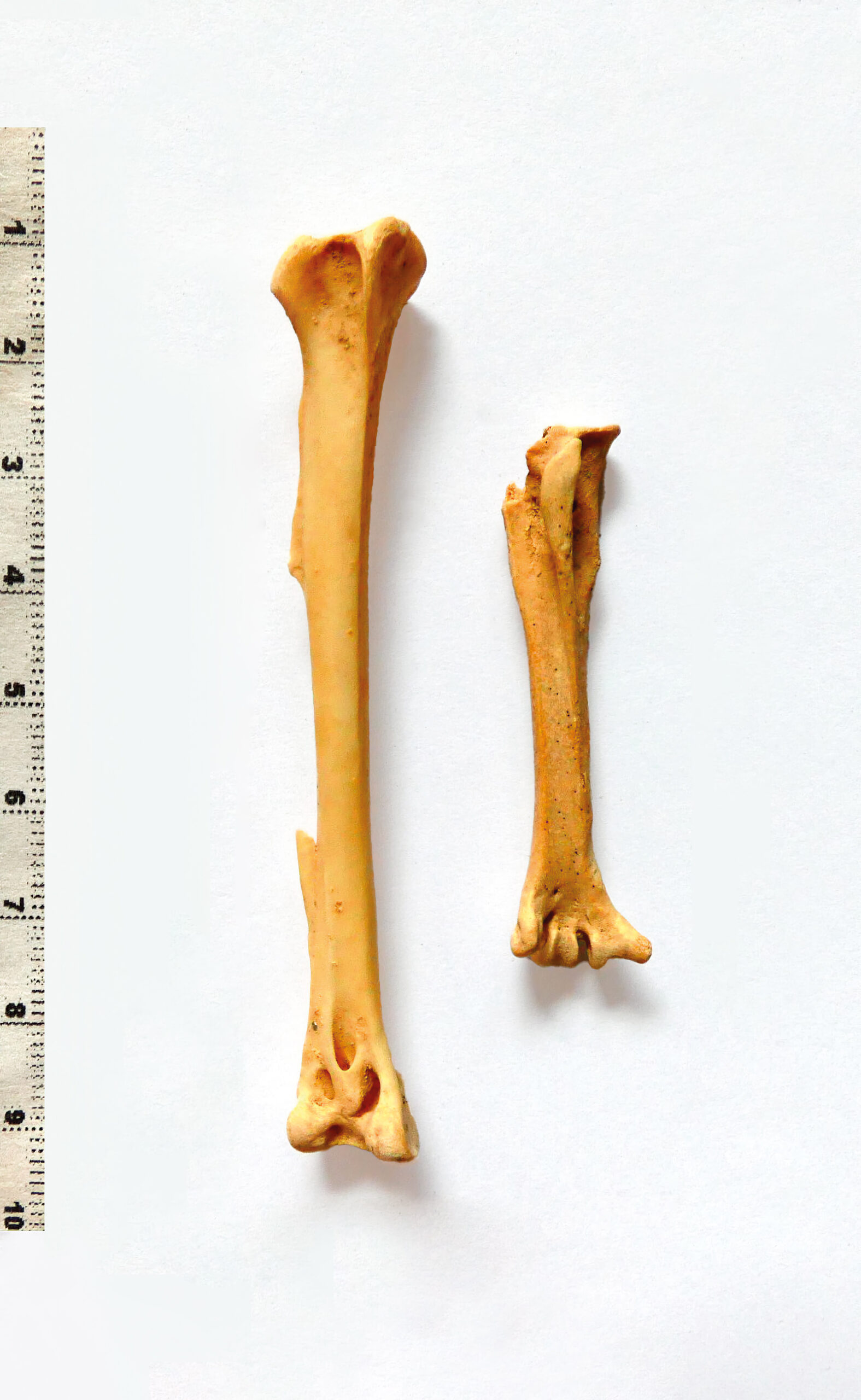
Remains of the Lanner falcon found at the excavation of the Teleki Palace.
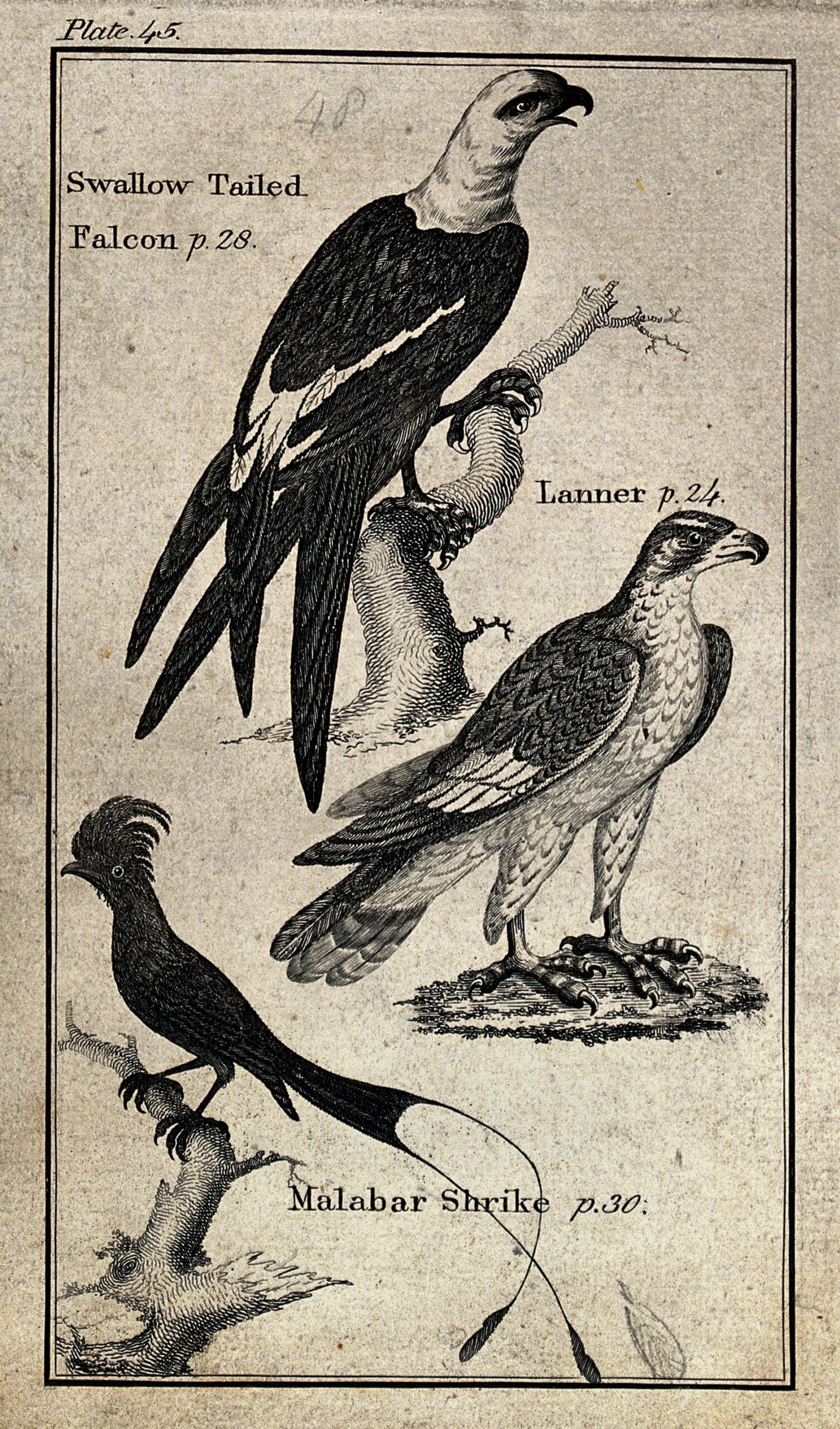
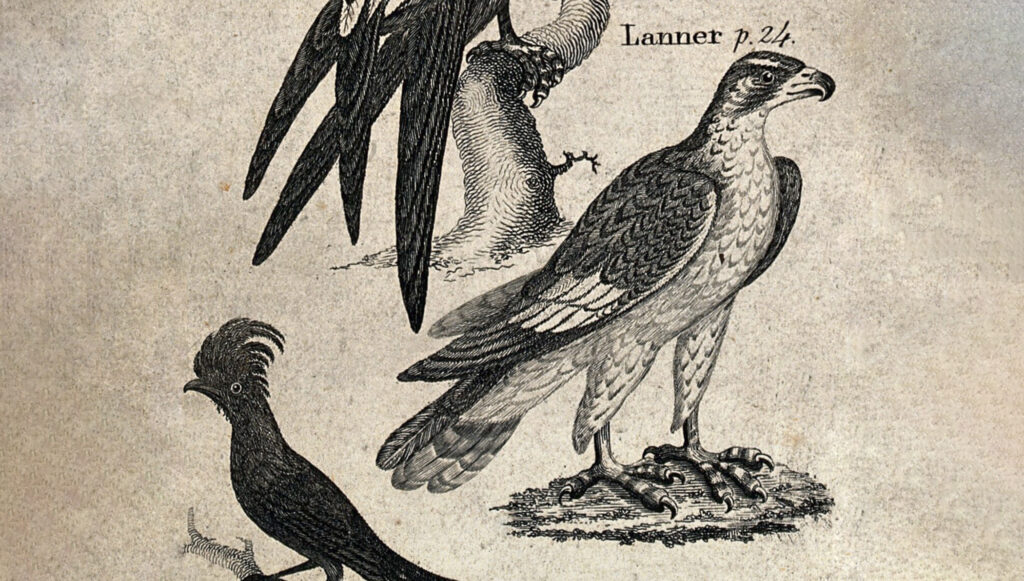
Lanner falcon (middle), by Thomas Bewick (1753-1828). (source: https://wellcomeimages.org)
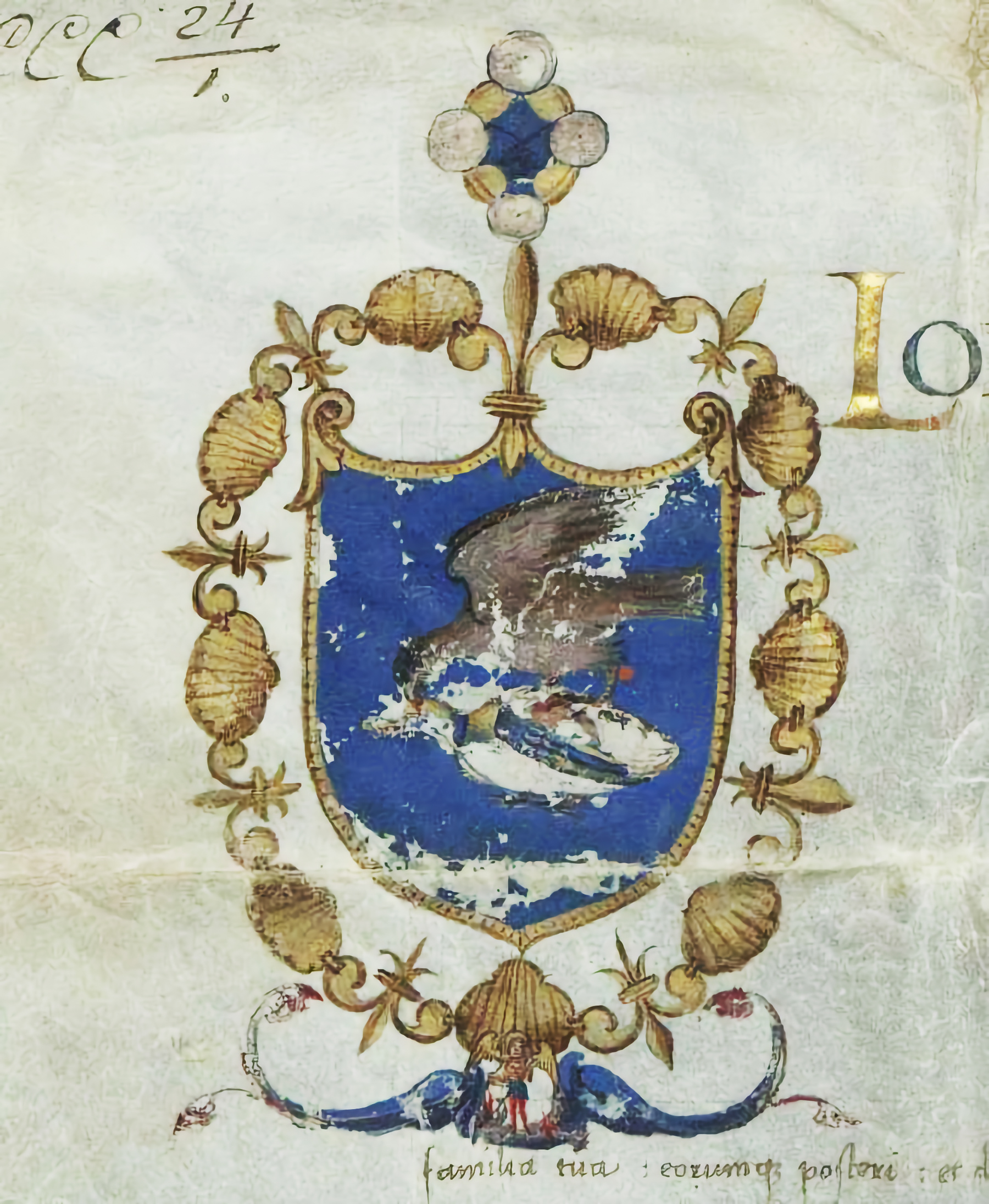
The Telegdy family’s crest with a falcon (1502). (source: László Magyari: Birds figuring in crests on mediaeval nobility-patents. Aquila LXIII-LXIV, 1956-1957, 249‒258.)
Text: László Daróczi-Szabó
Archaeologist: Dorottya B. Nyékhelyi
Photo: Márta Daróczi-Szabó
1 Month – 1 Artifact | 2026

A 20th-century Chinese coin from the slopes of Castle Hill
A Medieval Falcon Find from Buda Castle
Feeding vessels

Stove tile depicting a pelican bringing its chicks back to life with its blood

The Mystery of a Footed Bowl

Medieval Cresset Stone
