
The two small jugs were discovered in the Víziváros district of Buda in 1941, during construction on plot no. 41 Csalogány Street. The objects were found by Sándor Garády, a retired Hungarian State Railways (MÁV) clerk and self-taught archaeologist, in a square-shaped pit referred to as a “ceramic storage pit.” The two jugs are 12 cm high, made of a yellowish-fired material, coated with white slip (clay glaze), and decorated on the sides with three faint red, brush-painted intersecting bands. The size of children’s toys, the vessels have a narrowed upper opening and a round loop handle attached to the side. They were made around the mid-15th century, roughly at the time when a potter’s workshop operated on the neighboring plot.
This type of vessel has been known since prehistoric times; it was mostly made of ceramic, but in the Roman period such drinking vessels were also produced in glass. Medieval versions usually had a short spout or feeding tube, while the Buda finds had a narrowed top opening to make them easier to use. Because of their size, infants could hold them, while the round handle provided a more secure grip for the mother.
In the Middle Ages, mothers generally tried to breastfeed their own children. A wet nurse was only needed if the mother died, became ill, or lost her milk supply. Feeding children with animal milk (goat, sheep, cow) was not considered appropriate, as it was believed the child might acquire animal traits. Instead, babies were given water, diluted wine or beer, or bread soaked in these liquids, or milk-and-flour porridge. Unboiled animal milk was not a safe food source, which may have contributed to the high infant mortality rate in the Middle Ages. This may also explain why depictions of the Madonna became so popular, as the image of a mother lovingly caring for her child gained emotional and personal significance in a time when child loss was common.
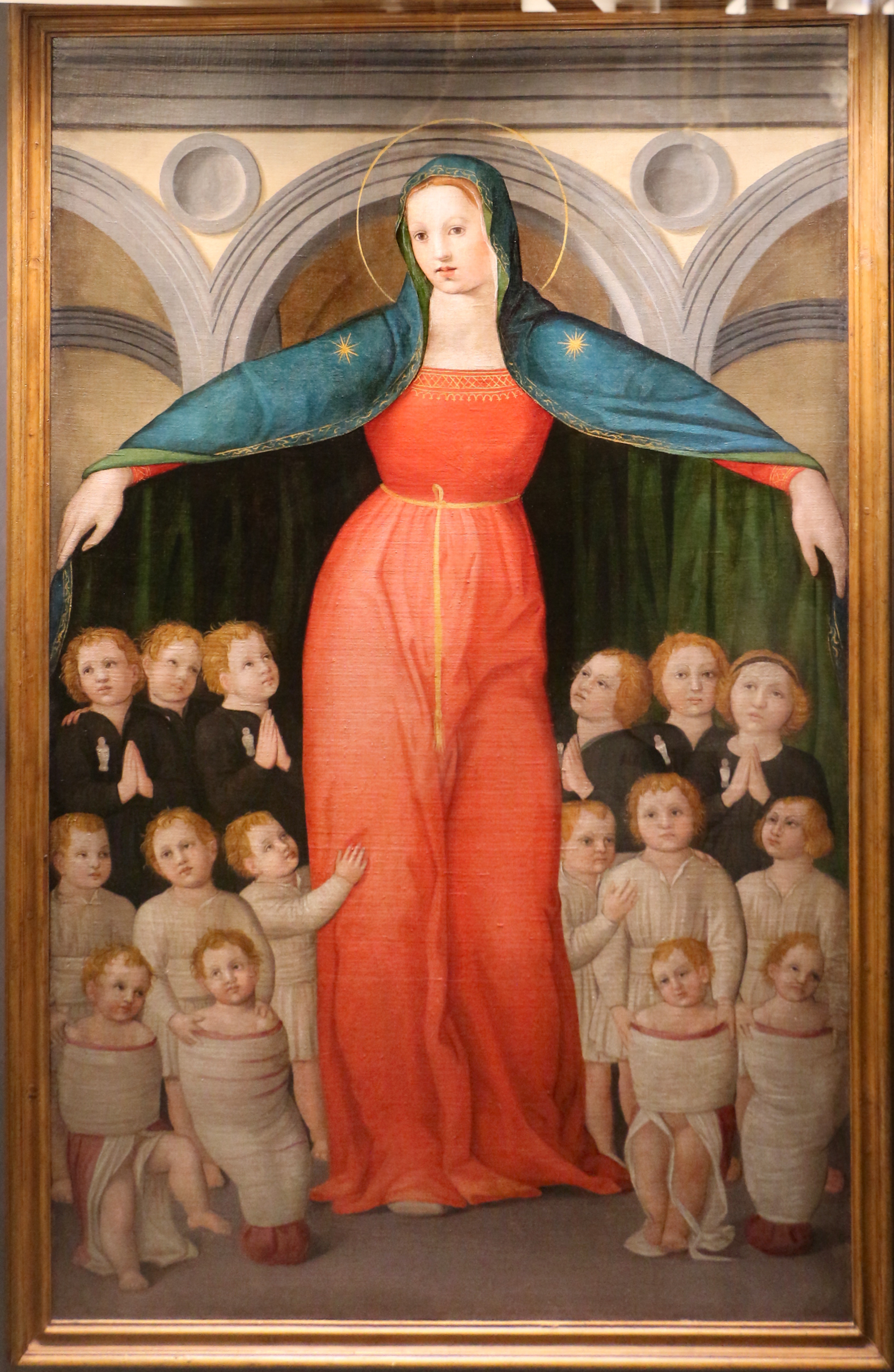
Unknown master: Our Lady of Innocents, around 1550, Florence. Museo degli Innocenti, Florence.
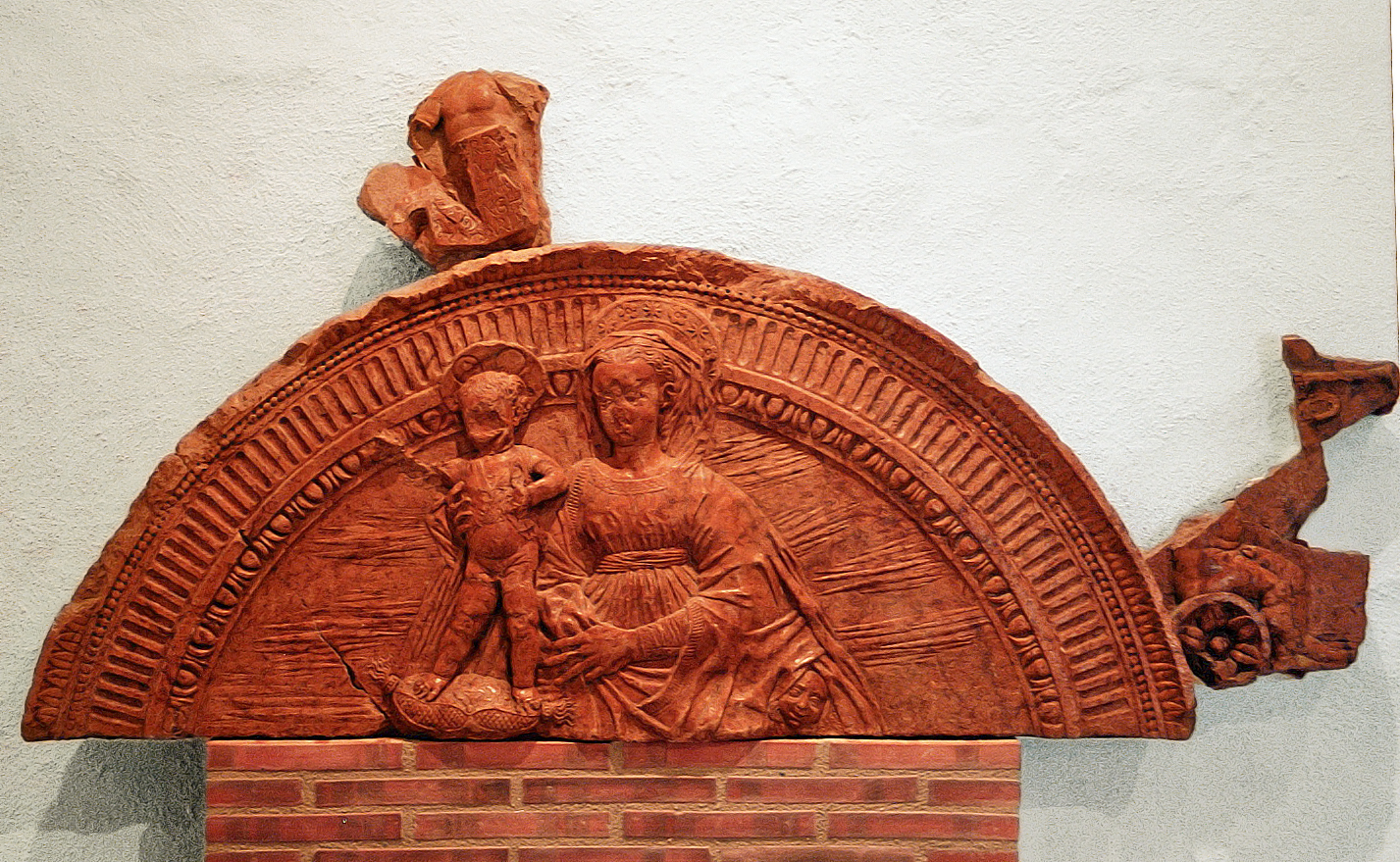
Unknown master: The Visegrád Madonna, around 1480. Hungarian National Museum – King Matthias Museum Visegrád.
Text: Judit Benda
Archeologist: Sándor Garády
Artifact photo: Ákos Keppel
1 Month – 1 Artifact | 2026
A Medieval Falcon Find from Buda Castle
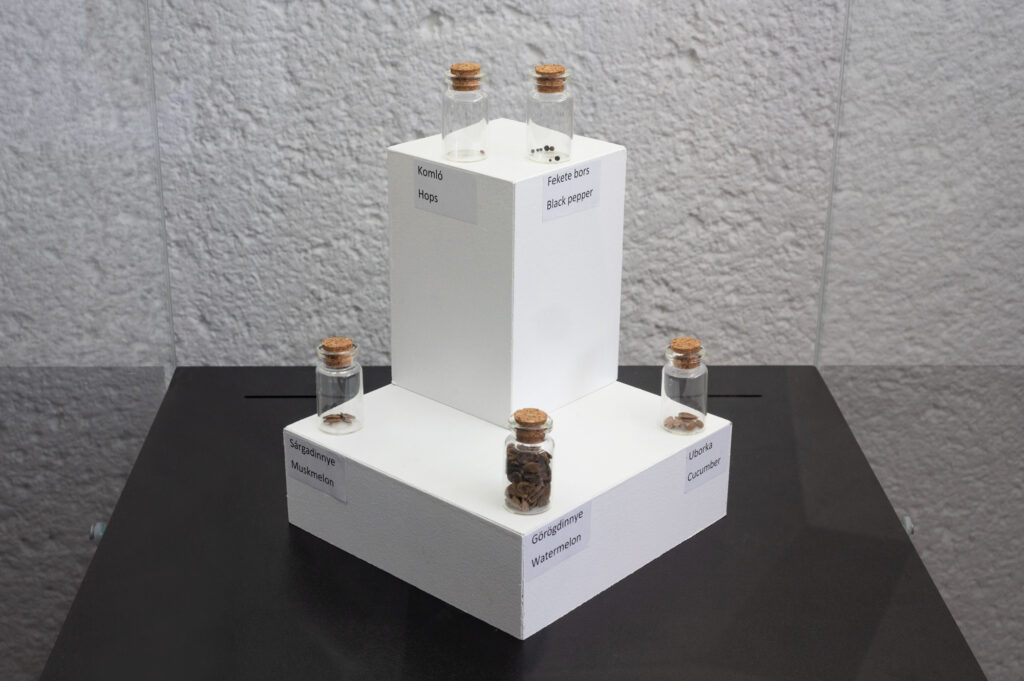
Herbs, kitchen garden plants, and vegetables from from well No. 8 of Teleki Palace
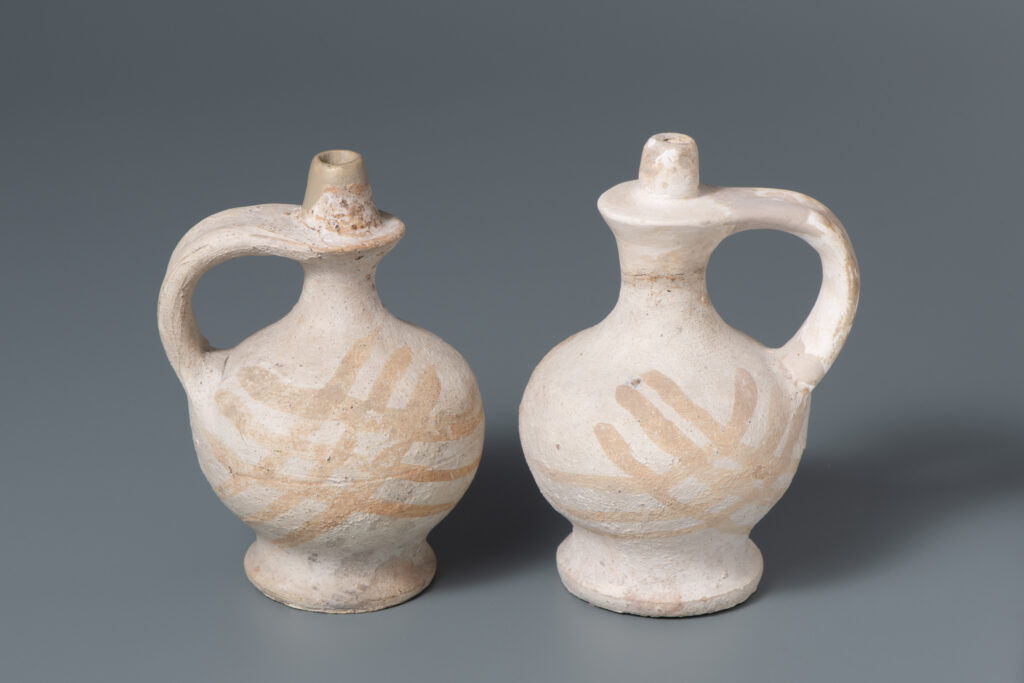
Feeding vessels

The Mystery of a Footed Bowl

Medieval Cresset Stone
