
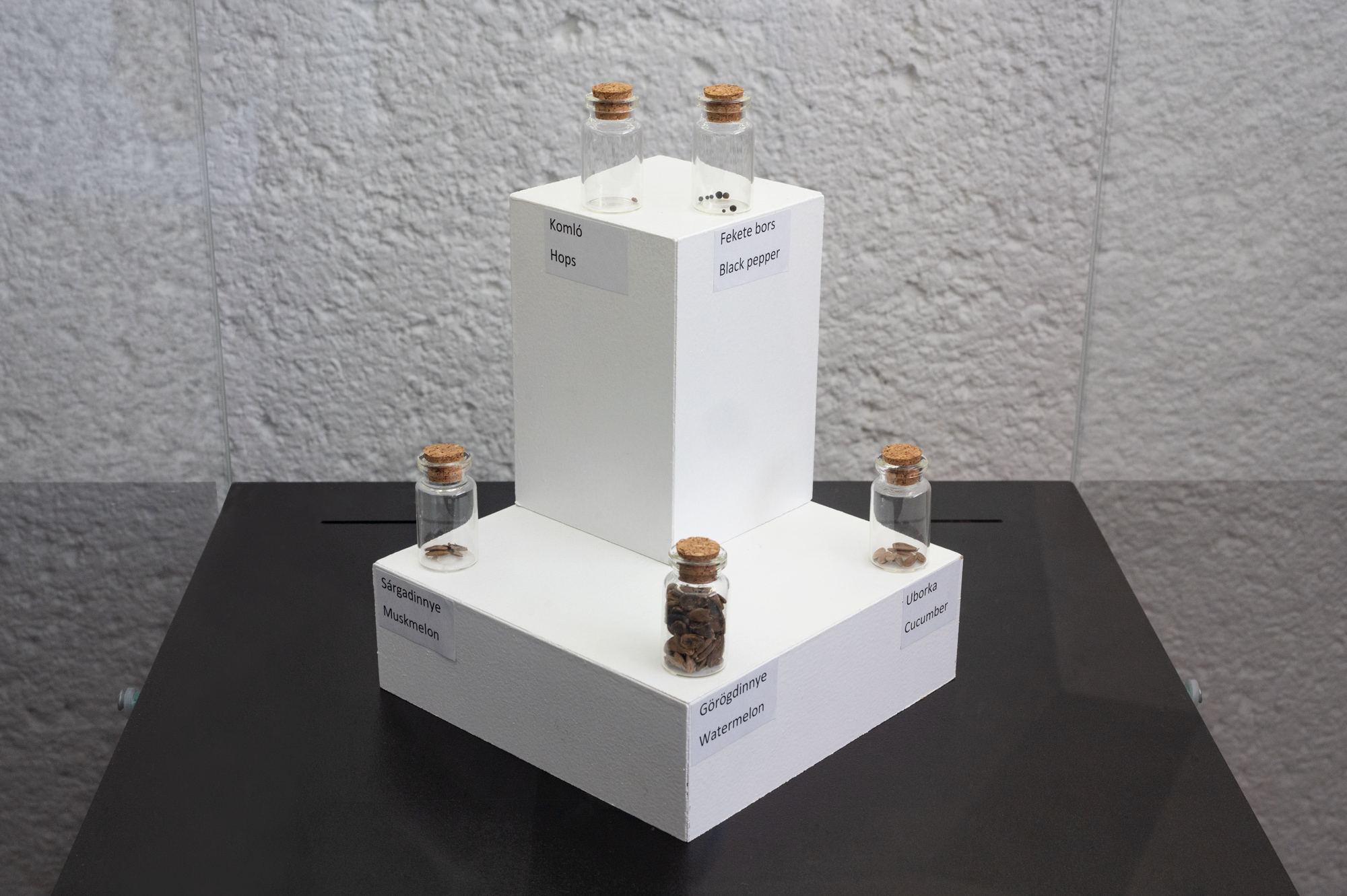
We know surprisingly little about medieval cuisine in the territory of the Kingdom of Hungary, as unfortunately no cookbooks from the 14th and 15th centuries have survived. At first glance, it is easy to imagine that people of the period had access to only a limited range of crops. Yet archaeobotanical evidence tells a different story. Plant remains recovered during archaeological excavations show that the kitchens of medieval Buda were well provisioned and stood comparison with those of other royal capitals of the time.
One of the most important sites is the Teleki Palace on St. George Square, excavated between 1998 and 2000. Medieval Well No. 8 yielded a remarkable quantity of organic remains, including numerous plant seeds. Among them were the seeds and fruits of many herbs and kitchen garden plants that are still familiar and widely used today, such as dill (Anethum graveolens L.), celery (Apium graveolens L.), oregano (Origanum vulgare L.), as well as vegetables such as muskmelon (Cucumis melo L.), watermelon (Citrullus lanatus L.), and cucumber (Cucumis sativus L.). The assemblage also included parsnip (Pastinaca sativa L.), one of the most important root vegetables before carrots became widespread, as well as hops (Humulus lupulus L.), a favourite flavouring for beer in medieval German towns. Particularly striking is the discovery of black pepper (Piper nigrum L.), an expensive imported spice: a total of 573 peppercorns were recovered from the well. Although no written Hungarian sources mention its use, surviving recipes from elsewhere in Europe frequently recommend black pepper for seasoning a variety of meat dishes, including poultry and roast hare.
These discoveries demonstrate how closely related disciplines—in this case, archaeobotany—can enrich archaeological and historical research, helping us reconstruct the everyday lives, diets, and culinary practices of people who lived centuries ago.
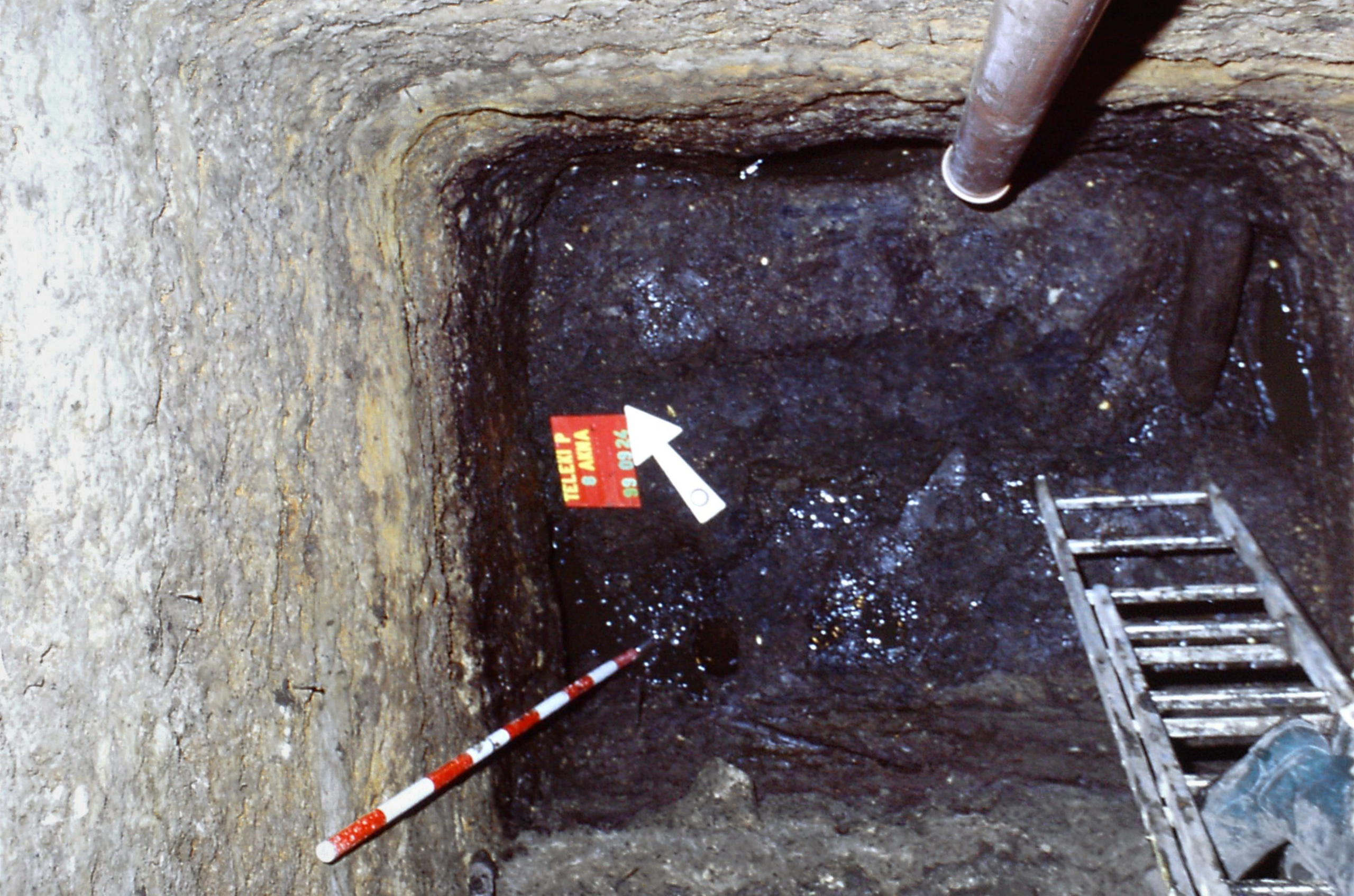
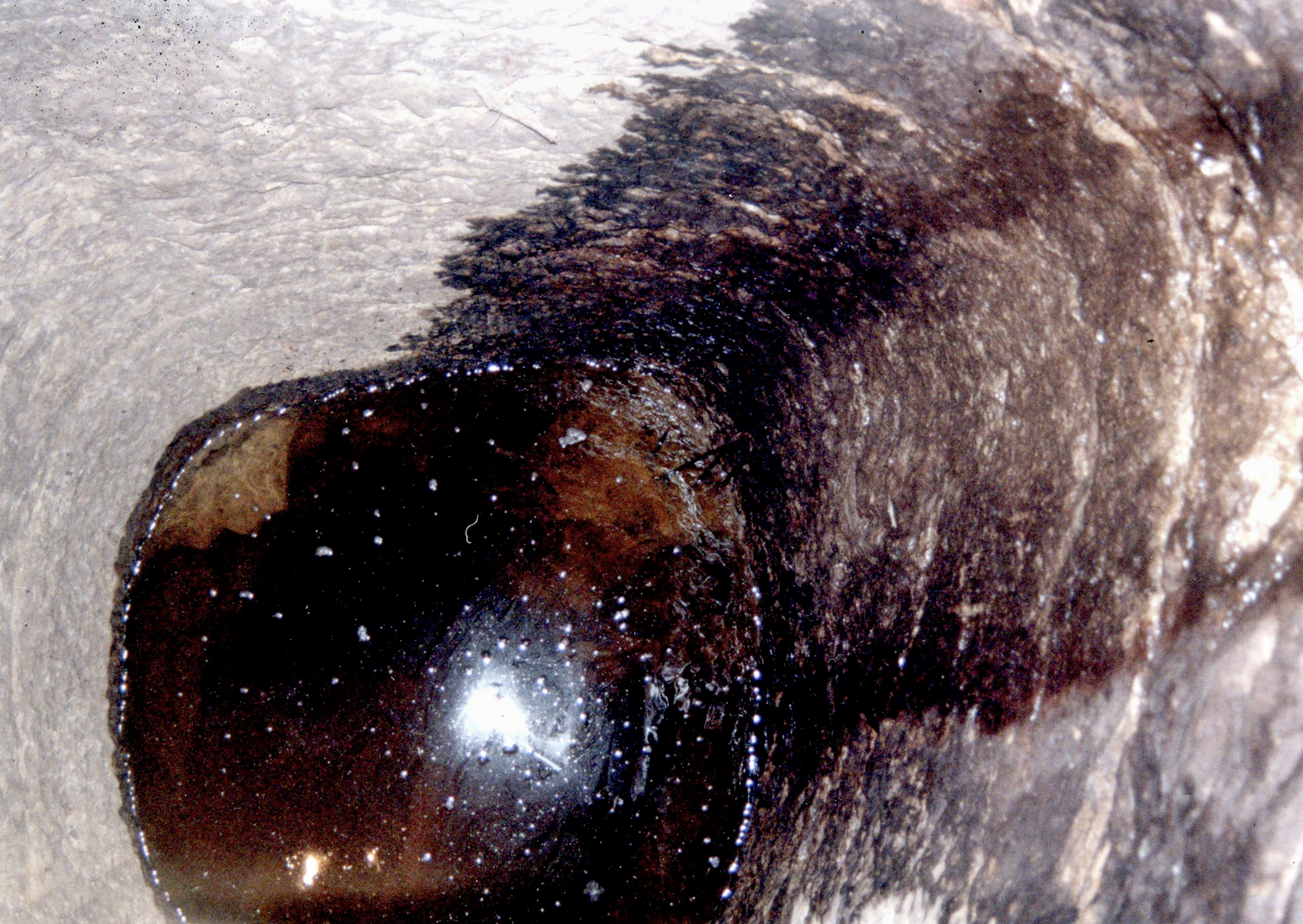
The well during excavation.
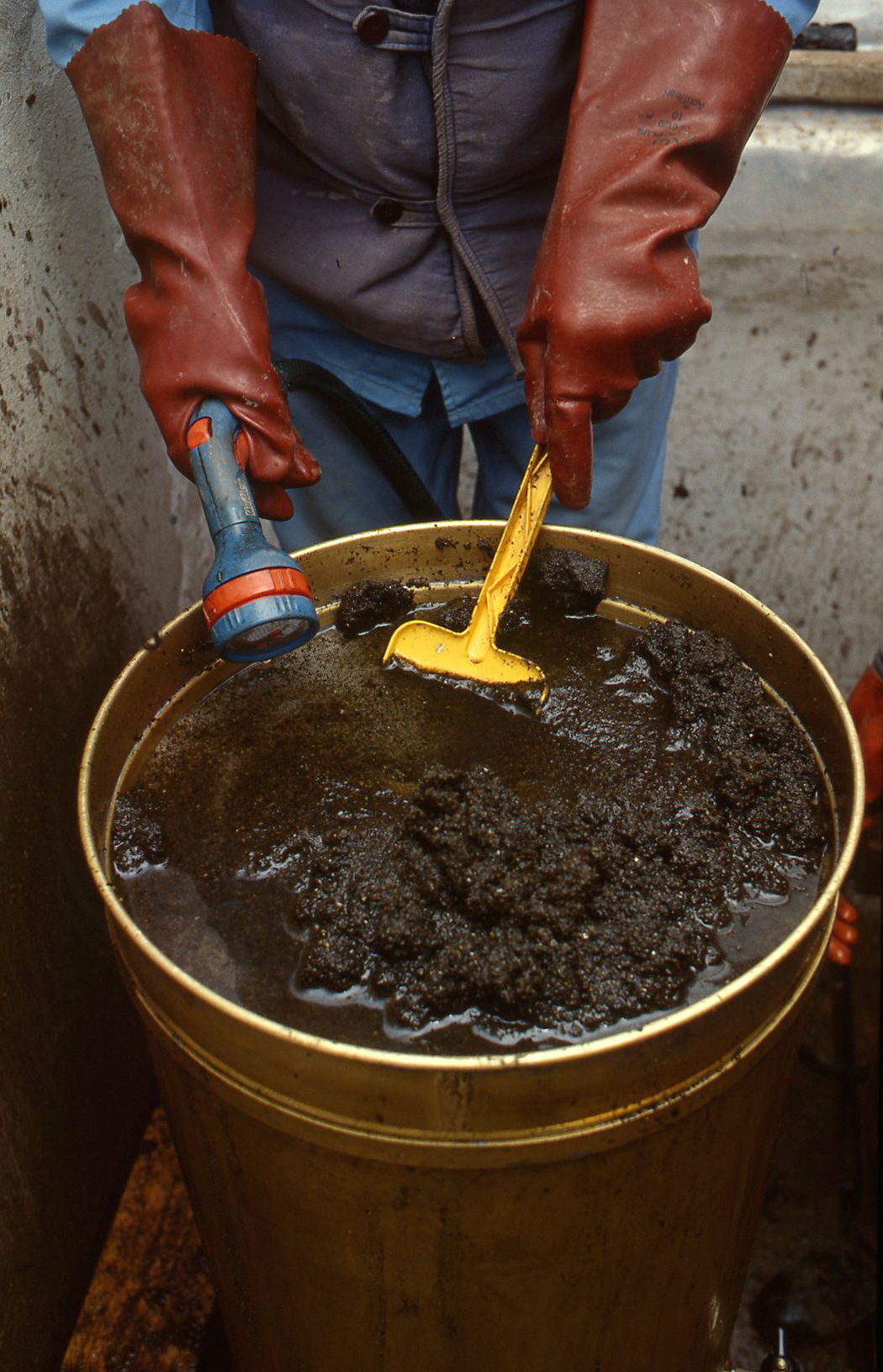
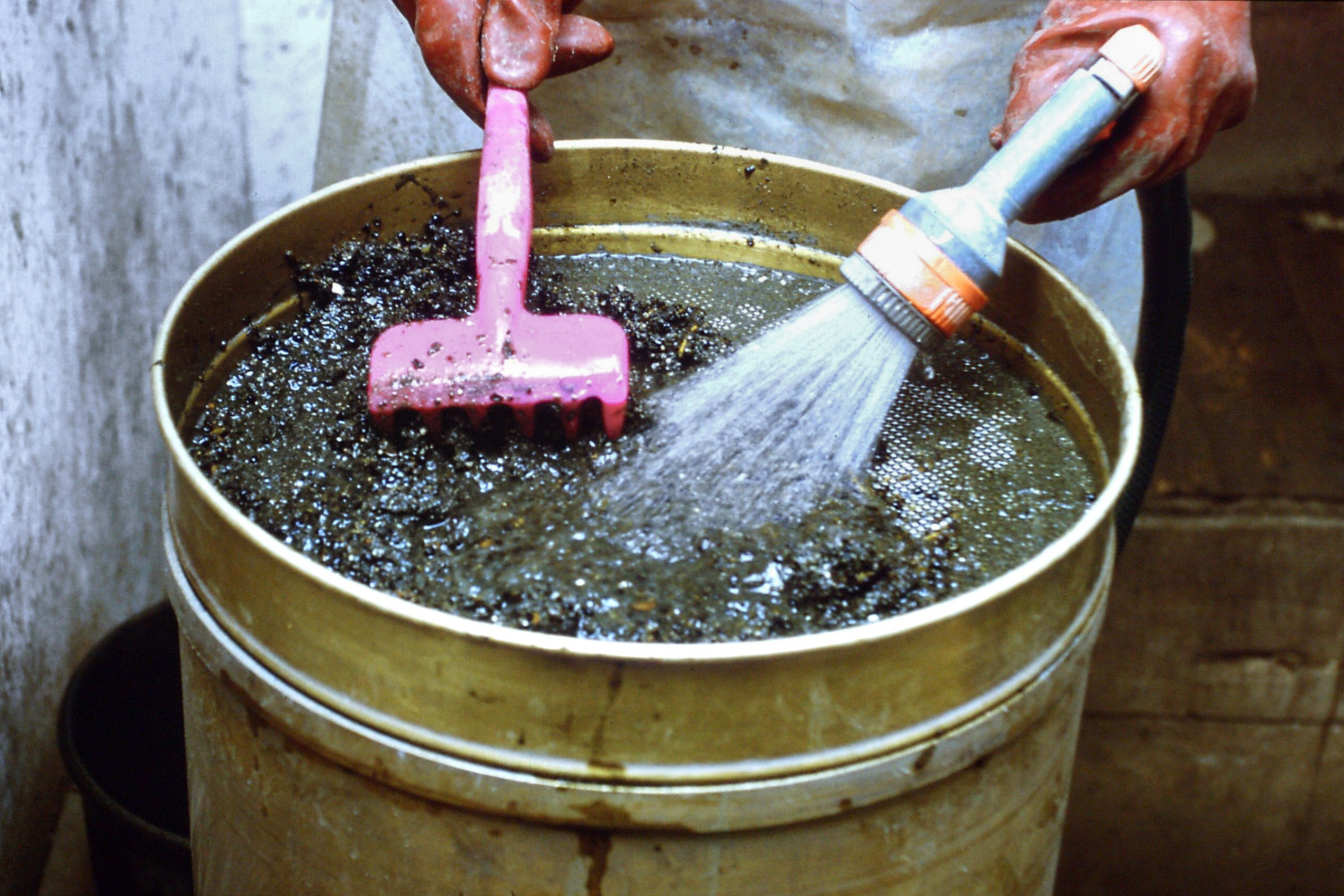
Wet-sieving and sieving of the excavated material.
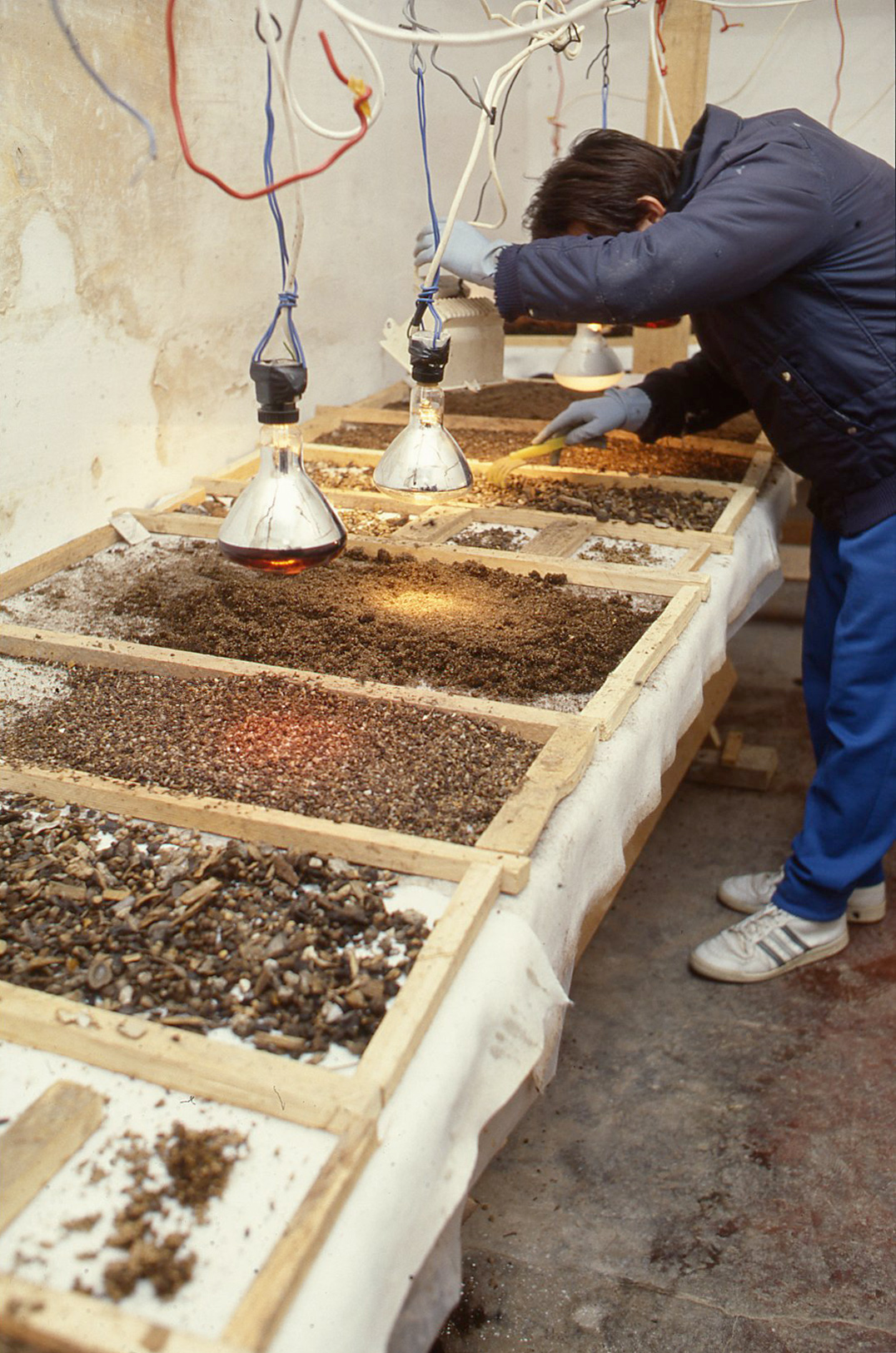
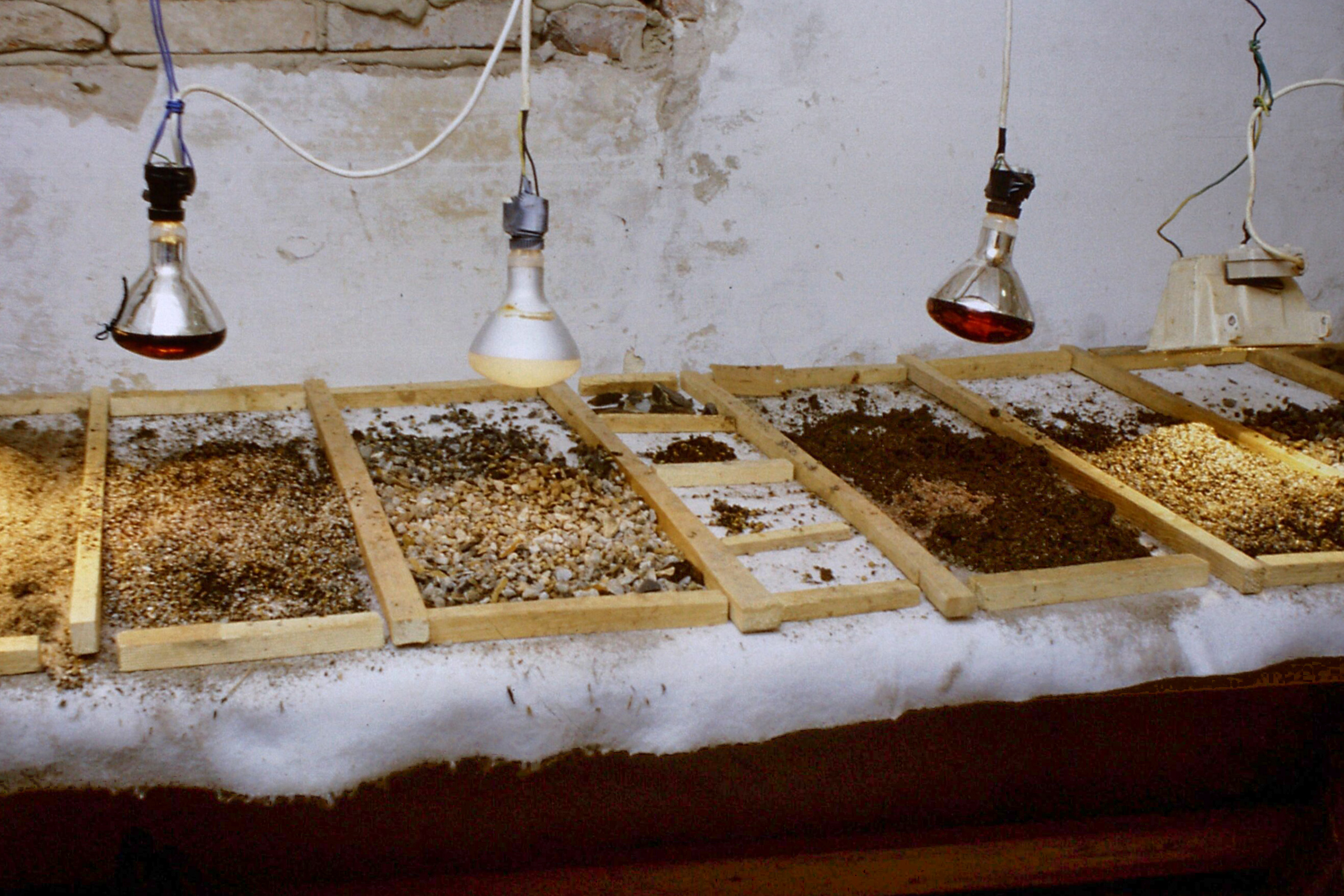
Drying of the excavated material.
Text: Anita Némethi-Kellner
Archaeologist: Dorottya B. Nyékhelyi
Archaeobotanist: Ferenc Gyulai
Bibliography: Ferenc Gyulai: Archaeobotanika. Budapest, Jószöveg Kézikönyvek (2001), 183-186.
1 Month – 1 Artifact | 2026
A Medieval Falcon Find from Buda Castle
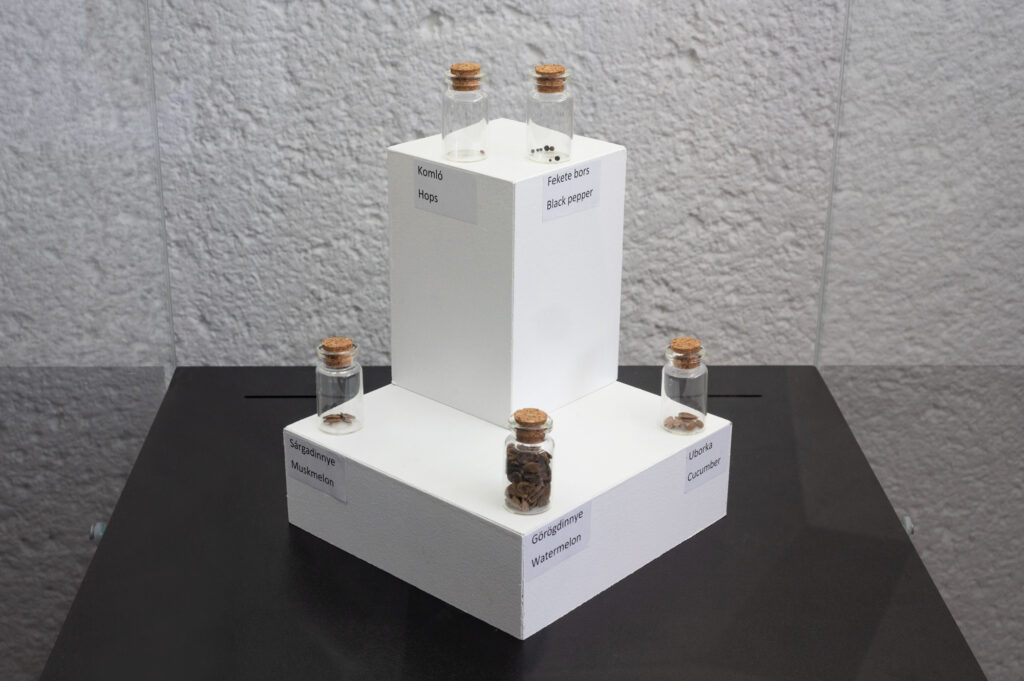
Herbs, kitchen garden plants, and vegetables from from well No. 8 of Teleki Palace
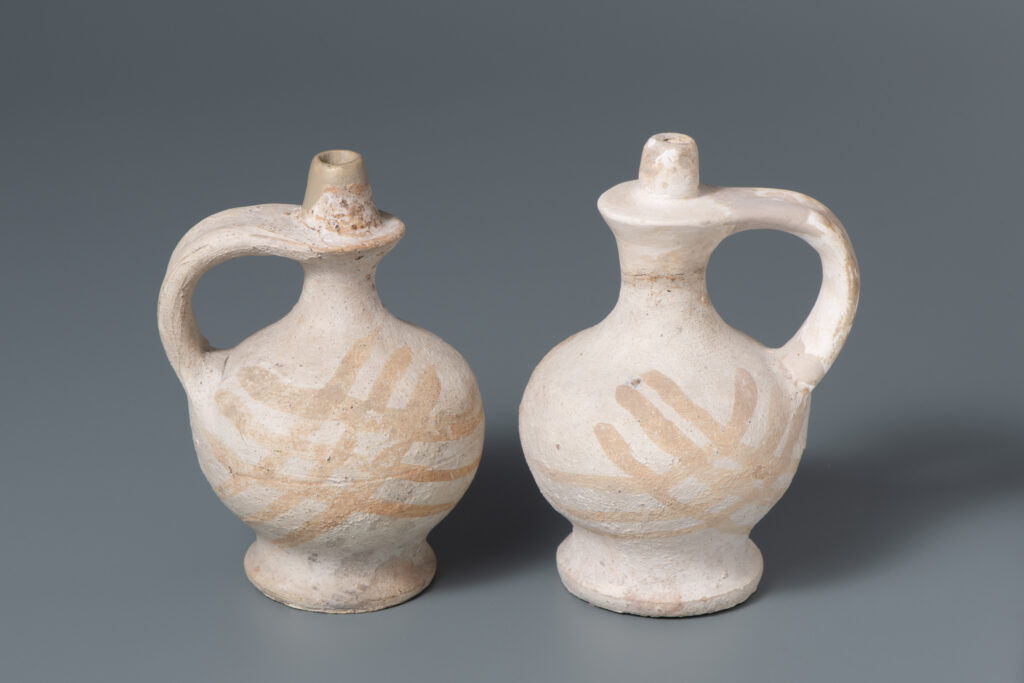
Feeding vessels

The Mystery of a Footed Bowl

Medieval Cresset Stone
