

The Ottoman footed bowl is a characteristic vessel type of the period. All kinds are known, ranging from simpler monochrome glazed pieces to more elaborate examples decorated using the sgraffito technique (incised decoration). The footed bowl uncovered during excavations at 17 Dísz Square belongs to the simpler type: beneath its yellow glaze, it is coated with a white engobe (a thin liquid clay layer). However, its shape is not typical. Something seems to have happened to it “along the way,” as suggested by the waviness of the rim, the deformation of the object, the burnt surface, and the perforated base.
Inside the bowl, the trace of a three-pronged kiln support (spur) used during firing can be observed. Another ceramic vessel was placed on top of this support, making the firing process more efficient, as more vessels could fit into the kiln. The use of such supports was also necessary to prevent another vessel from sticking to the glazed interior. During firing, the glaze melts and becomes liquid glass; if another object touches the glazed surface at this stage, the glaze will adhere to it. As the kiln cools, the glaze hardens, permanently bonding the two objects together. By using these supports, the contact surface could be minimized; the supports could later be knocked off, though the marks of their fused stubs remain visible in the glaze.
It is unusual, however, that the vessel appears indented at these points. This is surprising because by this stage the footed bowl should already have undergone a first (terracotta) firing. Perhaps the object was exposed to excessively high temperatures and softened or slumped due to the heat? Could this also explain the waviness of the rim?
Additionally, the four holes in the base of the bowl are intriguing. When were they made, and why? If they had been pierced while the clay was still raw, the glaze would not have been damaged, and the holes would be more regular. Were they added afterward? This seems possible, as indicated by the chipping of the glaze around the holes. But what was the purpose? Perhaps the vessel was not discarded after the unsuccessful firing, and instead a new function was sought for it.
Even this simple object raises many questions—questions that we may not always be able to answer definitively. These are only possible interpretations that invite further thought.


Text: Szilvia Tereiné Toronyi
Archeology: Anikó Tóth
Photo: Ákos Keppel
1 Month – 1 Artifact | 2026
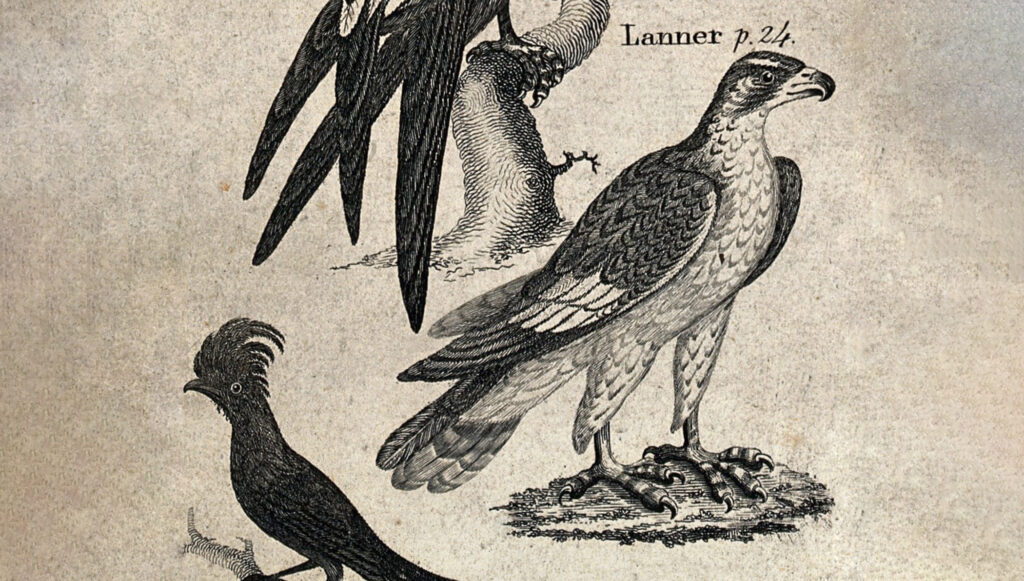
A Medieval Falcon Find from Buda Castle
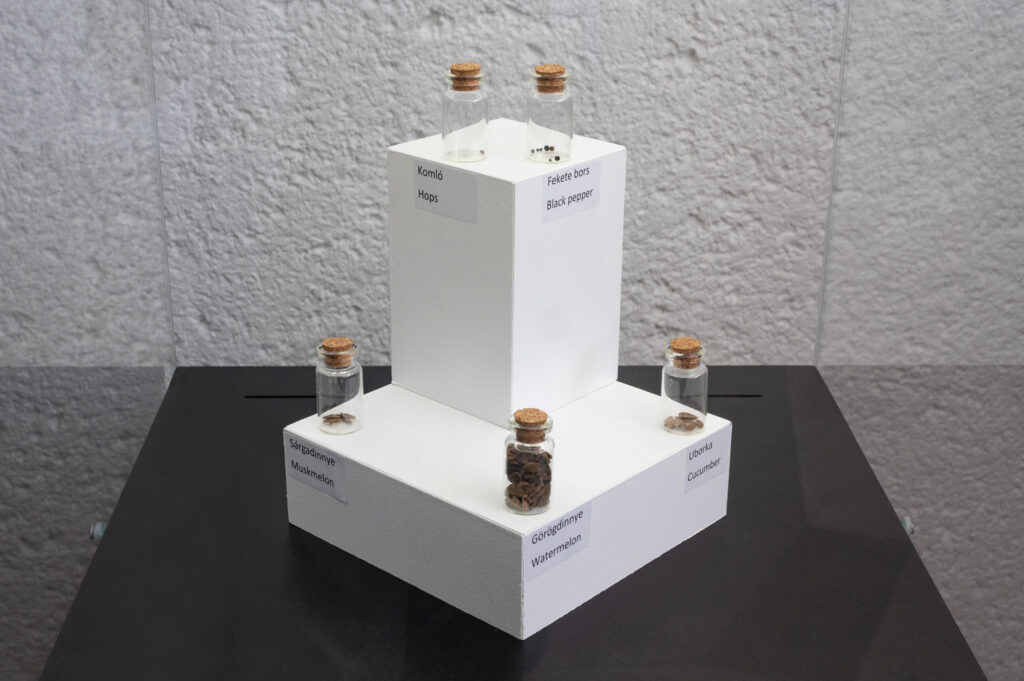
Herbs, kitchen garden plants, and vegetables from from well No. 8 of Teleki Palace
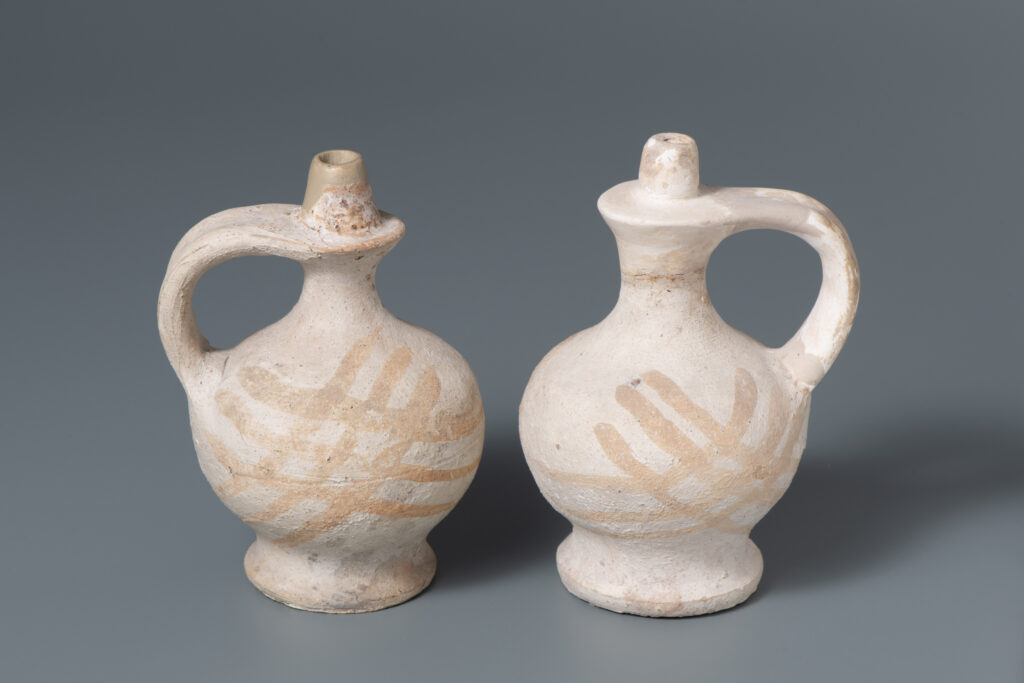
Feeding vessels

The Mystery of a Footed Bowl

Medieval Cresset Stone
